

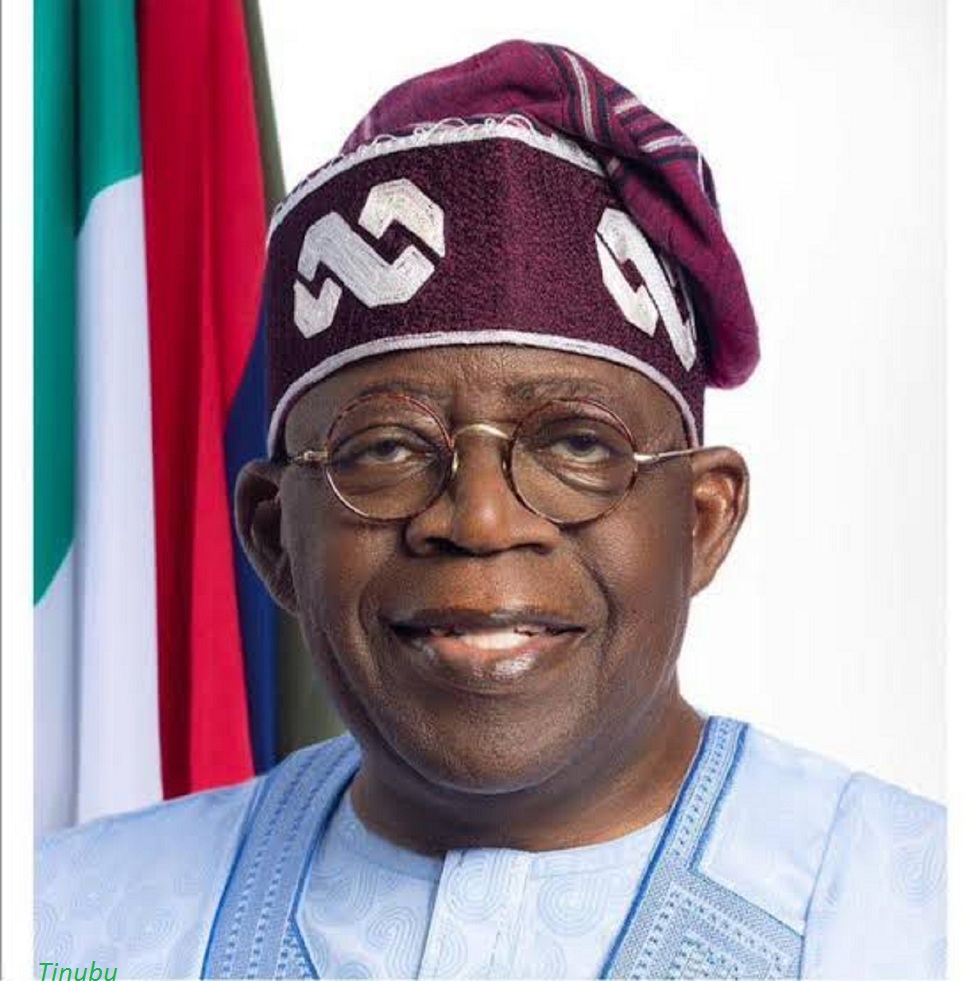
The Director General of the Presidential Enabling Business Environment Council (PEBEC), Princess Zahrah Mustapha Audu, has described President Bola Ahmed Tinubu as “Nigeria’s greatest-ever leader,” arguing that his legacy should be judged by institution-building and difficult reforms rather than short-term comfort.
He said Nigeria is living through a moment of consequential leadership and urged Nigerians to examine Tinubu’s record seriously rather than dismiss it as political hyperbole.
Audu, who is also the National Publicity Secretary of the City Boy Movement, traced Tinubu’s political life three decades back from his time as a senator in the Third Republic, pro-democracy activist and exile, to his two terms as Governor of Lagos State starting in 1999.
She said the intellectual origins of the Tinubu presidency were visible in Lagos where he confronted the contradiction of extraordinary private dynamism coexisting with inadequate public capacity.
“States do not become effective because their leaders possess admirable intentions. They become effective when institutions can mobilise revenue, formulate policy, execute decisions, enforce rules predictably and the capacity to govern,” Audu said.
Audu said Tinubu ended the politics of postponement and defended the administration’s removal of the petrol subsidy and other economic reforms while acknowledging that they have imposed genuine hardship on Nigerians. She argued that previous governments understood Nigeria’s structural problems including subsidy costs, forex imbalances, weak revenues and infrastructure deficits but lacked the political will to confront them.
“President Tinubu disrupted that logic. Leadership sometimes requires choosing not between difficulty and comfort, but between the difficulty of adjustment today and the greater danger of structural failure tomorrow.”
She said PEBEC through its broader business-facilitation framework aimed to reduce the institutional cost of being productive in Nigeria and to ensure that government facilitates legitimate enterprise rather than constitute an obstacle to it.
While highlighting ongoing reforms to make government more efficient, she linked the reforms to Tinubu’s commitment to building a $1 Trillion Economy by 2030 adding that Nigeria has never been more efficient and accountable.
Audu said Tinubu’s greatness rests not on perfection or a single policy, but on accumulation of political struggle, development of people, institutions and ultimately the accumulation of difficult decisions taken.
“Nigeria has an unfortunate habit of becoming intellectually generous toward its leaders only after they are gone. We should not require death to become historically fair. Giving President Tinubu his flowers does not mean suspending scrutiny.”
President Tinubu’s work is unfinished. History’s final verdict cannot yet be written. But his place in Nigerian history is already impossible to ignore,” she added.
Tribune


