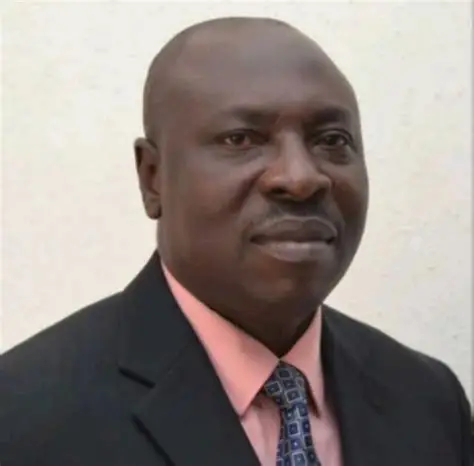
Ondo State NDC Chairman, Mr Kennedy Peeetei
Nigeria Democratic Congress, NDC Presidential candidate in the 2027 election, Mr Peter Obi is still in the race despite his endorsement of the credentials of Oyo State Governor Seyi Makinde for the same contest.
The party’s chairman in Ondo State, Mr Kennedy Peretei, made this clarification during an interview on a current affairs programme, to clear up any possible misinterpretation in some quarters of the endorsement.
Categorically, he said Obi’s decision to publicly acknowledge Makinde’s presidential credentials should not be interpreted as an indication that the former Labour Party presidential candidate is withdrawing from the 2027 race.
He described the endorsement as strategic.
According to Peretei, Obi was merely acknowledging that Makinde is qualified to aspire to the presidency and may be exploring the possibility of building a strategic alliance ahead of the election.
His wirds, “He did not say he was stepping down for Seyi Makinde. He merely said Seyi Makinde is not a bad product and that he is qualified for the presidency.”
He argued that political communication often involves strategic positioning, adding that Obi could be seeking alliances that would strengthen his chances in 2027.
The NDC chairman maintained that his party has a broader national structure and membership base than the APM, arguing that the political strength of parties should be measured by their presence across the country rather than their influence in a few states.
He said Obi’s growing popularity should be a concern to the ruling establishment, insisting that the former Anambra State governor has increasingly become a political movement beyond the structure of any single political party.
On the controversy surrounding Obi’s attempted visit to Yelwata in Benue State, where he reportedly faced resistance from some youths, Peretei rejected the claim that the visit was disrupted because Obi failed to notify the state government.
He argued that Obi was not visiting Benue State to hold a political rally but to commiserate with victims and families affected by the Yelwata attack, and therefore did not require the same notification and security arrangements associated with a political rally.
“Benue State is not outside Nigeria where you need a visa to visit,” Peretei said, arguing that while political rallies require proper notification to security agencies to facilitate adequate security, a private visit to sympathise with affected families should not be subjected to the same protocol.
He accused the government of attempting to prevent Obi from visiting the affected community because of concerns over his growing popularity and public acceptance.
According to him, similar incidents have occurred in other parts of the country and could ultimately strengthen Obi’s political standing by creating the impression that the establishment is uncomfortable with his growing influence.
Peretei further argued that Obi’s performance in the 2023 presidential election, where he secured millions of votes, demonstrated that he already had a significant political base.
He said Nigerians were increasingly searching for an alternative to the current political order, adding that many citizens now believe Obi represents a credible option for such an alternative.
The NDC chairman said the ruling establishment and some state governors were aware of Obi’s growing acceptance and were therefore becoming increasingly apprehensive about the possibility of his emergence as a formidable force in the 2027 presidential election.