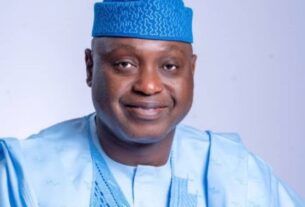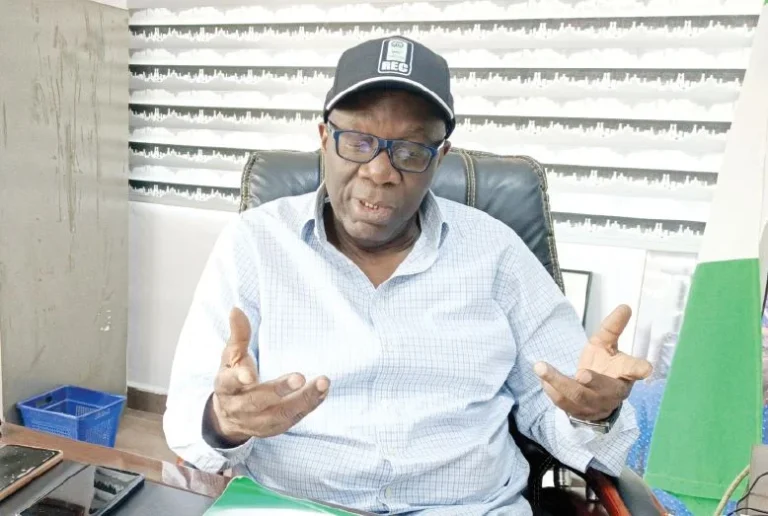
Bunmi Omoseyindemi
The Resident Electoral Commissioner in Ekiti State, Dr Bunmi Omoseyindemi, says the Independent National Electoral Commission is fully prepared for the June 20 governorship election, with BVAS machines ready and personnel adequately trained. In this interview with Abiodun Nejo, he speaks on the commission’s preparations, voter apathy, the threat of fake news, election security and assurances of a credible, transparent and peaceful poll
The Ekiti election is two days away. How far has INEC gone with preparations for the exercise?
We have done most of the things we need to do. The only things we are waiting for are the sensitive materials and the conduct of the election. Every other thing is set.
What arrangements have you made for people with disabilities?
We have done a lot of sensitisation for them. They have even been part of the people going around as Civil Society Organisations to mobilise their members. We have the braille ready, as well as all other facilities that will assist people with disabilities.
What is the total number of registered voters for the poll, and are there concerns about voter apathy?
There are 1,059,063 registered voters. When you talk about voter apathy, it is the responsibility of people, as citizens, to come out and vote. As much as possible, we want people to come and vote, but you cannot force them unless there is a law that makes voting mandatory. To vote or not to vote is a matter of choice. In some other countries, however, if you do not participate in the electoral process, there are certain benefits you will not get. So, voter apathy is an issue for citizens, while INEC has the duty to conduct elections. However, there are a lot of uncollected PVCs at INEC offices. That is why when people talk about low voter turnout or voter apathy, most times it is based on the total number of registered voters instead of the number of PVCs collected. The number of PVCs collected is different from the number of registered voters. It is the number of people who collected their voter cards that will determine the percentage of people who voted. For instance, if we have one million registered voters, how many of them collected their voter cards? The uncollected cards are there; either some of the owners have passed on or some people have changed location.
Do you think the country needs to toe the line of making participation in the electoral process mandatory?
It has to be discussed with the citizens, and people must decide whether that is what they want or not. It is a democratic setting; people have to decide what they want and what they do not want.
Many people criticise governments for poor performance but fail to vote during elections. Why do you think many citizens choose not to vote?
Psychologists, political scientists and sociologists are to provide answers to this. They need to conduct studies on why people are not voting. Their findings will form recommendations on the needs of the people. Is it out of ignorance? Is it out of fear? Is it out of intimidation? These are issues that need to be studied. Sociologists, political scientists and psychologists should find solutions to why people are not coming out to vote on election days. My responsibility here as a REC is to conduct a credible, inclusive, transparent and peaceful election.
Are there intelligence reports or developments that worry INEC as far as the Ekiti election is concerned?
Any intelligence report will be divulged to the appropriate quarters — the security agencies — to do the needful.
But are there worries?
I do not have worries. I am very positive. I have confidence in the people that they will do the right thing.
What is the biggest challenge for INEC going into the Ekiti election?
We are well prepared for the election. The biggest challenge is people spreading fake news. We have had meetings with media personalities, those in charge of online publications and others. People should not announce results that have not been announced by INEC, and they should not spread fake news about insecurity. For this election, the biggest challenge is fake news.
How does fake news affect INEC?
Fake news affects INEC and everybody as well. It can cause disorderliness, insecurity and anxiety among the people. It can intimidate people and discourage them from participating in the electoral process. For us, we know the people spreading fake news; we are not the ones. We know which reports are false because we are the custodians of information as far as the electoral process is concerned. So, when certain things are circulated, we know whether they are true or false. We have been able to train some people and organisations. Also, organisations such as the International Press Centre and the Centre for Media and Society have visited Ekiti State to train journalists on fact-checking. I think media practitioners should utilise the training and fact-check their stories. Some people like sensationalism. They want to break news and end up spreading false information, thereby losing their credibility. Journalists must wake up so they do not lose their credibility. Anything you want to know, ask INEC and we will provide the information.
How ready are the Bimodal Voter Accreditation System machines for the election?
They are fully charged and ready. We conducted a mock accreditation exercise in some local governments last Friday to test the machines. Definitely, everything is set. INEC will deploy the machines to all the polling units. We have 2,445 polling units. That means 2,445 BVAS machines.
How confident is INEC that the result transmission process will be seamless and transparent?
We rely on technology. It will be seamless and transparent because we have confidence in our officers. I have to be confident in what I am doing. I am highly confident in the process and in what we are doing at INEC.
What is your message to political actors regarding adherence to the rules of engagement?
Political actors should follow the rules and regulations — the Electoral Act and INEC guidelines. They should caution their supporters and encourage and mobilise their people to vote. When you talk about mobilisation, INEC has a responsibility, but the main responsibility lies with the politicians. They are the ones who want people to vote for them, so they should go and talk to them one by one. You can see elections in other parts of the world where politicians engage citizens and talk to them. It should not be a case of making noise everywhere and then complaining that people are not coming out to vote. It is the responsibility of political parties to mobilise voters. For instance, if you are a banker looking for deposits, will the money come to you on its own? You go out and talk to your customers. It is the parties that want to sell their candidates to the people that should mobilise and convince them.
What are your expectations from the Ekiti electorate?
We expect the electorate to be orderly, come out en masse and vote for the candidates of their choice. It is the responsibility of eligible citizens to vote. If people believe it is their civic responsibility, they should come out and vote on Election Day. People should wake up to their civic responsibilities. Nigerians always talk about rights, but they do not talk about responsibilities. Their responsibility is to participate in the electoral process so that they can put the people they want in power. Without participatory democracy, you cannot have sustainable development. Sustainable development is premised on a participatory process. People must participate. You cannot just sit in your house complaining or be an online tiger without being on the ground. People should wake up, talk to one another and realise that this country belongs to all of us. We can make it better by living up to our responsibilities at every level and at all times.
What assurances can you give Ekiti people about the credibility of this election?
The credibility of the election depends on us at INEC and on the people on the field. We have trained our personnel thoroughly and our machines are ready. It is not going to be like in the past when people were brought in to thumbprint without being captured by BVAS. BVAS has removed all those kinds of practices. The people should rest assured that the election will be transparent, credible, peaceful and inclusive. That is the assurance I am giving the people of Ekiti.
What difference will this election make that the 2027 general elections can take a cue from?
We are well prepared and we are going to start the election on time, with adequate security in place. There will be lessons to learn from the processes we have put in place and from our ability to commence the election on schedule. One thing, however, is that this is a stand-alone election, which is different from the general elections. In the general elections, you are saddled with many other responsibilities.
The Punch