

By John Dike, Osogbo
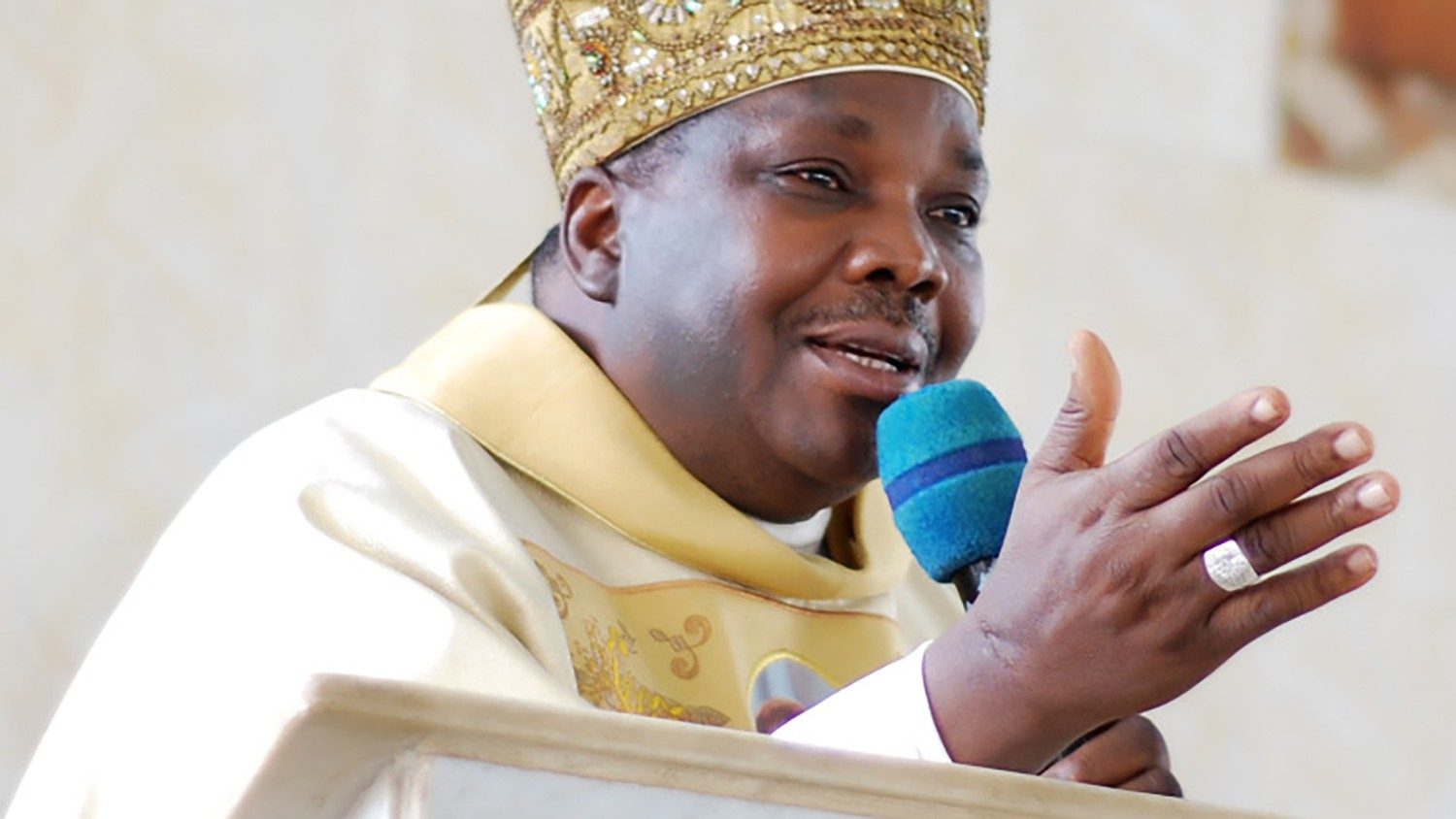
The Bishop of the Catholic Diocese of Oyo, Most Rev Emmanuel Adetoyese Badejo, has called for the preservation of human dignity, authentic relationships and spirituality in the face of growing dependence on digital technology and artificial intelligence.
In his reflection to mark the 2026 World Communications Day, Bishop Badejo stressed the need for people to “communicate without excommunicating,” warning that modern communication tools must not be allowed to erode human values, compassion and genuine social interaction.
Reflecting on the message of Pope Leo for this year’s celebration themed, “Preserving Human Voices and Faces,” the cleric said the Church remains deeply concerned about the diminishing role of human presence and personal interaction in contemporary communication.
According to him, authentic communication should strengthen communion with God and humanity rather than create division, alienation and conflict.
“As I often like to say, we must communicate without excommunicating, meaning without alienating others,” Bishop Badejo said.
He explained that the week-long activities lined up by the communications office of the Catholic Secretariat of Nigeria were designed to help Christians and media practitioners strike a balance between faith, humanity and digital presence.
The bishop noted that while digital media and artificial intelligence remain valuable innovations, society must resist what he described as the “artificialisation of communication” capable of replacing genuine human encounters.
He quoted Pope Leo as saying that “faces and voices are sacred,” adding that every individual possesses a unique identity and vocation expressed through interaction with others.
“Our faces and voices constitute our personality given to us by God so that we might live human relationships through love,” he stated.
Bishop Badejo expressed concern that excessive dependence on technology, social media and artificial intelligence is gradually weakening critical thinking, deep reflection and emotional connection among people.
He lamented that many individuals now prefer robots, gadgets and digital devices to human companionship, a trend he said has negatively affected families, friendships and social cooperation.
According to him, many users of digital technologies fail to understand the consequences of uncritical engagement with artificial intelligence and media platforms.
Speaking on spirituality, the cleric emphasized that prayer and relationship with God remain deeply personal and cannot be delegated to machines or digital devices.
Citing John 16:23, he stressed that meaningful communication with God requires sincere and personal prayer.
“Prayer cannot be outsourced to machines,” he said, warning against allowing technology to replace human spiritual experiences.
He further urged Nigerians to see the face of God in fellow human beings and recognize the value embedded in every individual voice and identity.
While cautioning against abuse of digital media, Bishop Badejo maintained that the solution is not to demonize technology but to embrace media and information literacy that promotes critical engagement and responsible usage.
“The way out is certainly not to demonize digital media but to educate ourselves to critically engage with and profit from the resources they offer,”
.
The bishop concluded by urging communicators, media practitioners and the faithful to preserve humanity, compassion and authentic relationships in an increasingly digital world.


