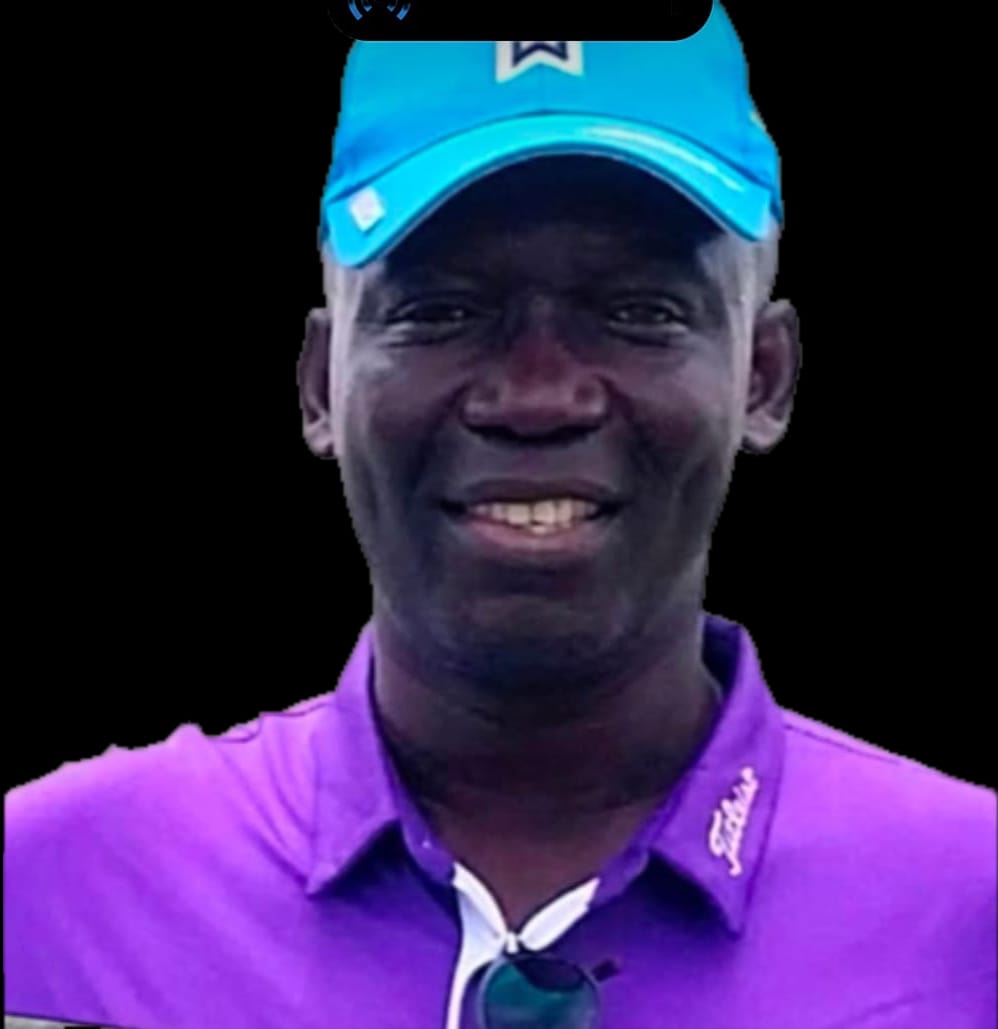
By Steve Otaloro
The recent article titled “Ondo State and the Burden of Governance” authored by Kunle Adebayo attempts to present itself as a thoughtful intervention on governance in Ondo State. However, a closer examination reveals a piece driven less by objective policy analysis and more by the emotional residue of a political displacement.
Mr. Adebayo’s sudden rediscovery of civic concern conveniently follows his replacement as General Manager of the Ondo State Radiovision Corporation by the administration of Lucky Aiyedatiwa. The timing alone inevitably raises questions about motivation. When individuals remain silent while occupying positions of influence, only to become strident critics immediately after losing those positions, the public is justified in interrogating the sincerity of such commentary.
The article itself relies heavily on rhetorical flourish while offering very little in the way of substantive governance critique. Phrases such as “motion without movement,” “government with soul, character and vision,” and the dramatic metaphor of a “soulless effigy” may sound intellectually polished, but they substitute style for substance. A credible evaluation of governance would ordinarily present verifiable indicators- economic data, fiscal management records, infrastructure outputs, or measurable security assessments. Mr. Adebayo’s piece provides none of these.
Furthermore, the attempt to frame the argument around a supposed legal development barring Governor Aiyedatiwa from seeking another tenure appears more like political framing than legal analysis. Serious commentary would contextualize constitutional provisions, judicial reasoning, and political realities rather than simply invoking them rhetorically to construct a narrative of administrative failure.
More importantly, the article omits an essential disclosure: the author’s own recent role within the machinery of the state he now criticizes. As the immediate past General Manager of the Ondo State Radiovision Corporation, Mr. Adebayo was part of the broader institutional ecosystem of the government. If the system he now describes as stagnant and visionless truly existed in that form, one must reasonably ask what corrective initiatives he championed while in office.
Public discourse benefits from criticism, but credibility depends on transparency and intellectual honesty. Citizens deserve to know whether the author speaks purely as a concerned member of the public or as a recently displaced political appointee whose grievances are now clothed in philosophical prose.
Ultimately, governance in Ondo State should be debated on the basis of facts, performance metrics, and policy outcomes- not on essays animated by the aftertaste of political removal. If Kunle Adebayo wishes to contribute meaningfully to that debate, the first step would be to separate personal disappointment from genuine public interest.
Mr. Steve Otaloro is the immediate Director of Media and Publicity of the ruling All Progressives Congress, APC, in Ondo State