By Ade Oyeyemi
The International Press Centre has called on the Federal Government and security agencies to reopen investigations into the assassination of veteran journalist and Newswatch Magazine founding Editor-in-Chief, Dele Giwa, 40 years after his death, lamenting that no one has been held criminally accountable for the killing.
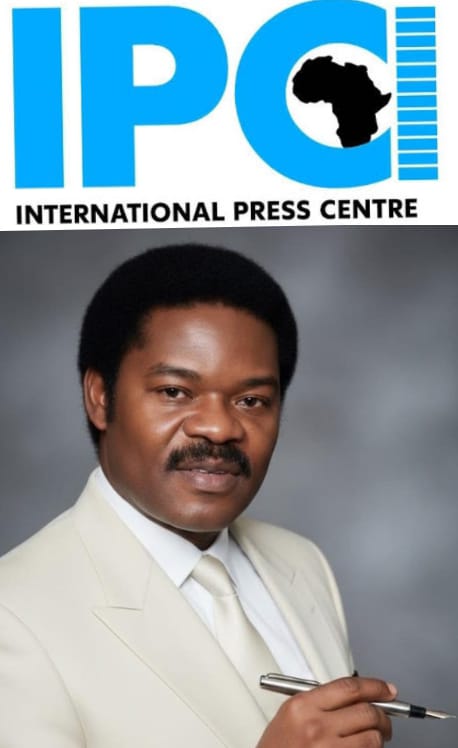
The call was contained in a statement issued on Monday by the Press Freedom Officer of the IPC’s Safety and Protection of Journalists Hub, Melody Akinjiyan, on behalf of the organisation to mark the 40th anniversary of Giwa’s assassination.
Giwa was killed on October 19, 1986, at his Lagos residence by a parcel bomb. He was 39 years old at the time of his death.
Four decades later, the circumstances surrounding the murder remain unresolved, a situation the IPC described as a serious failure of justice and a setback for efforts to protect journalists and uphold accountability in Nigeria.
Giwa, who previously served as Sunday Editor of the National Concord, established Newswatch Magazine, where his commitment to investigative journalism helped shape the country’s media landscape.
Through his work, he championed the public’s right to information and demonstrated the role of an independent press in scrutinising those in positions of authority.
The Executive Director of the IPC, Lanre Arogundade, described Giwa’s assassination as an attack not only on the journalist and his loved ones but also on press freedom and the public interest.
He said the killing sent a dangerous message about the risks faced by journalists who investigate sensitive issues and hold public officials accountable.
“Forty years without justice is far too long. Silence cannot substitute for accountability, and the passage of time must not become an excuse for abandoning the pursuit of truth,” Arogundade was quoted as saying.
He also questioned the implications of leaving the case unresolved for Nigeria’s democratic institutions and human rights record, warning that the failure to establish accountability could erode public confidence in the justice system.
The IPC’s Safety and Protection of Journalists Hub urged the Federal Government, the Nigeria Police Force and relevant investigative and prosecutorial authorities to conduct a credible and independent investigation into Giwa’s murder, taking into account available evidence, historical records and previous investigative findings.
The organisation also called for renewed investigations into other unresolved killings of journalists in the country.
Among the cases it listed were the murder of Bayo Ohu of The Guardian on September 20, 2009; Nathan S. Dabak and Sunday Gyang Bwede of The Light Bearer on April 24, 2010; and Zakariya Isa of the Nigeria Television Authority on October 22, 2011.
Others were Enenche Akogwu of Channels Television, killed on January 20, 2012; Maxwell Nashan of the Federal Radio Corporation of Nigeria, killed on January 15, 2020; and Alex Ogbu of The Regent Africa Time Magazine, who died on January 21, 2020.
The list also included Emmanuel Adeyemi of The Sun, killed on October 26, 2020; Titus Badejo of Naija FM, killed on June 19, 2021; and Tordue Salem of Vanguard, whose death was recorded on November 11, 2021.
Beyond the investigations, the IPC urged the government to honour Giwa’s legacy by strengthening protections for journalists, stressing that press freedom remained essential to transparency, democratic accountability and the protection of citizens’ rights.
The organisation warned against limiting the anniversary to tributes and commemorative events, insisting that the circumstances of Giwa’s death demanded concrete action.
It said journalists must be able to carry out their professional duties without fear of violence, intimidation or reprisal.
The IPC maintained that Nigeria could not credibly celebrate press freedom while leaving one of the country’s most notorious attacks on a journalist unresolved for four decades.