A chieftain of the All Progressives Congress (APC), Hon. Obidike Chukwuebuka, has urged Nigerians to consider the continuity of ongoing economic and institutional reforms when deciding their choice in the 2027 presidential election.
The politician, who is Chairman and Chief Executive Officer of Clarivo Holdings Limited, said in an interview with Vanguard that President Bola Tinubu’s administration had introduced several reforms which, in his view, required time to deliver their full impact.
He said the removal of fuel subsidy, foreign exchange reforms, increased revenue mobilisation, student financing, infrastructure projects and measures aimed at strengthening local government autonomy were among the major policy changes of the administration.
According to him, the reforms had come with significant adjustments for Nigerians, but their long-term effects should also be considered in assessing the government’s performance.
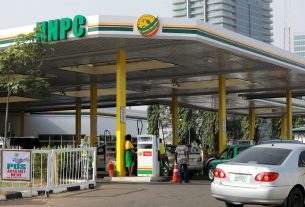
Obidike said the removal of petrol subsidy in May 2023 had ended a system that placed a substantial burden on public finances, while foreign exchange reforms had also changed the way the country manages its currency market.
He further pointed to increased Federation Account allocations to the three tiers of government, saying the additional revenue had expanded the resources available to states and local governments to meet their financial obligations.
The APC chieftain also highlighted the Nigeria Education Loan Fund (NELFUND), describing the student loan scheme as an intervention aimed at expanding access to higher education for students who may otherwise struggle to meet tuition and other education-related expenses.
He said infrastructure development was another area in which the administration had made significant commitments, citing the Lagos-Calabar Coastal Highway, Abuja-Kaduna-Kano Road, Enugu-Onitsha Expressway and the 9th Mile-Oturkpo-Makurdi Road among ongoing projects.
Obidike, who is also Chairman of Bidiks Nigeria Limited and Chief Executive Officer of Clarivo Oil and Gas, also mentioned the Kano-Daura-Kongolam Road and the proposed Calabar-Abuja Trans-Sahara Superhighway as part of the infrastructure projects he associated with the administration.
On local government administration, he referred to the Supreme Court’s July 2024 judgment affirming the constitutional principle of financial autonomy for local governments. The judgment directed that allocations due to local councils should be paid directly to them rather than through state governments.
However, implementation of the judgment has remained contentious, with subsequent reports indicating continued disputes over the direct disbursement and management of local government funds.
Obidike argued that the combination of fiscal reforms, infrastructure investment and institutional changes provided grounds for maintaining policy continuity beyond 2027.
He said some reforms would take several years to produce their full effects because they involved changes to government finances, institutions and investment patterns.
“What Nigeria needs now is stability and consolidation of the reforms that have already started,” he said.
Obidike acknowledged that Nigerians had experienced economic difficulties since the beginning of the reforms but maintained that the immediate impact should be weighed alongside the administration’s longer-term objectives.
He therefore called on voters to examine the competing policy proposals ahead of the 2027 election and decide whether the current reform direction should be maintained.
The APC chieftain said abandoning the present policy direction at this stage, in his view, could undermine efforts to consolidate the changes already introduced by the Tinubu administration.