

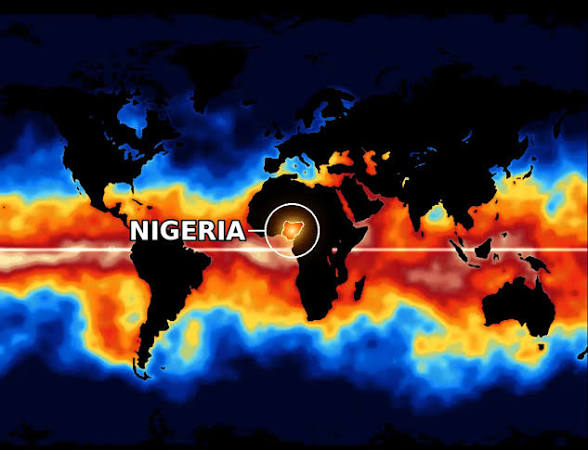
A climate scientist, Professor Zachariah Debo Adeyewa, has warned that Nigeria’s unusually high temperatures in late October could worsen public health challenges, strain electricity supply and threaten food production.
Adeyewa, who spoke during a programme on WASH FM 94.9 monitored in Lagos, attributed the intense heat to the combined effects of a powerful El Niño event and long-term climate change.
He explained that El Niño, a natural warming of the Pacific Ocean that occurs every three to eight years, could raise temperatures globally, while climate change could amplify its impact and make extreme weather conditions more severe.
“El Niño is not the same as climate change,” he said. “But climate change can add to its warming effect, making events like this more severe.”
The professor noted that cities such as Lagos experience even higher temperatures because buildings, roads and concrete surfaces absorb and retain heat, while inadequate green spaces limit natural cooling. He said high humidity further increases the discomfort by slowing the evaporation of sweat from the body.
Adeyewa described tree planting, improved ventilation, green spaces and climate-conscious building designs as essential measures for protecting public health, particularly in densely populated urban areas.
He also warned that persistent heat could increase demand for electricity as households and businesses seek cooling, placing additional pressure on an already unreliable power supply. Poorly ventilated homes, especially those with metal roofs, could remain hot at night, disrupting sleep and reducing the productivity of workers and students.
On health risks, the climate scientist identified dehydration, heat exhaustion and heat stroke as major dangers, urging Nigerians to take precautions, particularly children, older persons, pregnant women, people with existing medical conditions and outdoor workers.
He listed warning signs of dehydration and heat-related illness to include excessive thirst, dry mouth, headache, dizziness, weakness, reduced urine output, fainting and confusion. He advised anyone experiencing such symptoms to stop physical activity, move to a cooler environment and drink water if conscious, while suspected heat stroke should be treated as a medical emergency.
Adeyewa urged outdoor workers to carry drinking water, take regular breaks in shaded areas and avoid continuing strenuous activities when experiencing severe heat stress. He also called on employers and authorities to reduce workers’ exposure by adjusting work schedules and providing adequate staffing.
Beyond public health, he warned that extreme temperatures could undermine food security by damaging crops, reducing yields and increasing livestock deaths. He explained that excessive heat accelerates moisture loss from soil and plants and can interfere with flowering, pollination and grain development.
He called on farmers to rely on location-specific weather forecasts from the Nigerian Meteorological Agency, adopt suitable crop varieties, conserve soil moisture and use irrigation where necessary. He added that poultry and cattle were also vulnerable to heat stress.
The professor urged governments to make extreme heat a priority in public health planning and disaster preparedness, recommending that NiMet forecasts be incorporated into responses by the National Emergency Management Agency and local communities.
He also encouraged residents to limit exposure to direct sunlight, use shaded areas, improve ventilation, block excessive sunlight from entering homes and plant trees.
“People can reduce their own vulnerability rather than respond with fear,” he said.


