By Oreoluwa Dikko
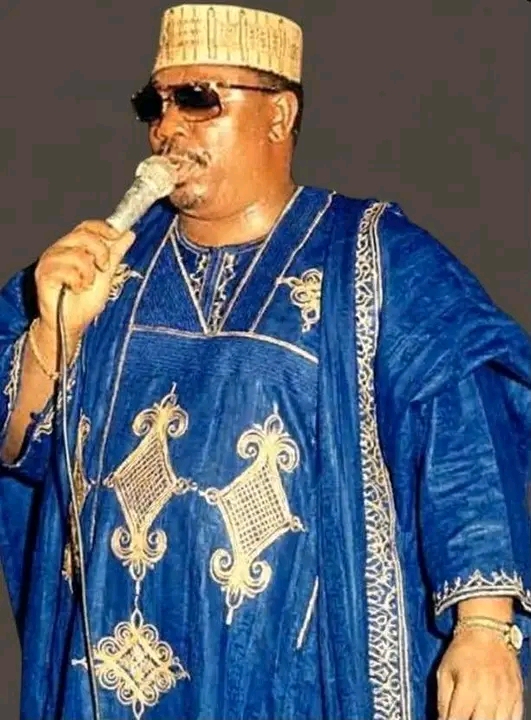
There are songs that entertain, and there are songs that educate. Then there are songs that become mirrors in which a nation sees its face. Chief Dr. Sikiru Ayinde Barrister’s The Truth (SKOLP 052) belongs to the third category.
Released in the mid-1990s, the album was more than a collection of Fuji songs. It was a social commentary, a political sermon and a passionate cry for a better Nigeria. Barrister used his music as a microphone to speak truth to power, exposing the rot in the system and pleading with leaders to remember that power is temporary and that every action has consequences.
From the opening lines of Side A, he set the tone with a heartfelt prayer:
“Olùwà má dá yẹyẹ àwa f’ayé ṣe, ọ̀rọ̀ Nàìjíríà yìí gbèrò.”
More than three decades later, that prayer still resonates. Millions of Nigerians wake up every day uncertain about what tomorrow holds. Economic hardship has become a permanent guest in many homes, while insecurity hangs over the nation like a dark cloud.
A Nation in Distress
One of the strongest themes in the album is Nigeria’s troubled economy. Barrister painted a picture of a country where the prices of everyday commodities were rising beyond the reach of ordinary citizens.
He lamented:
“Tá bá kọ́ bẹ̀rẹ̀ lórí oúnjẹ wa, ọ̀wọ́n gógó èlúbọ̀ ṣílé méjì ọjọ́sí rí ó ti lé lọ́gọ́rin náírà lójú wa. Gàárì ṣílé kan àbọ̀ olódo rí ó ti lé ní igba náírà lójú wa. Tọ́n bá jí Coca-Cola tó ń tà ní sìsí lọ́jọ́sí, ó ti ń lọ sórí ten náírà.”
At that time, these prices sounded alarming. Today, they almost seem insignificant when compared with the cost of living in present-day Nigeria. Food prices continue to rise, transportation costs increase almost daily, and inflation has become a stubborn visitor in many households.
Then came his painful question:
“Which way Nigeria? Tálákà wa á ń jìyà.”
That question still echoes across the country today.
As the saying goes, when elephants fight, it is the grass that suffers. In Nigeria’s case, the poor remain the grass beneath the feet of the mighty.
The Shame of Corruption
Barrister did not spare politicians and public office holders. He criticised leaders who entered government as ordinary men but left as wealthy elites.
He sang:
“Tó bá ṣe ìjọba Nàìjíríà fún ọjọ́ mẹ́ta láìsí tàbí tàbí, à ti millionaire; à ti kọ ilé kan sí Abuja, ìkan ní Ikoyi Peninsula, kíá à ti rà ìkan sí Amẹ́ríkà, Jámánì pẹ̀lú France, à ti ko owó rẹ̀ Switzerland.”
His words were sharp like a surgeon’s knife.
Even today, allegations of corruption continue to dominate public discourse. Funds meant for roads, hospitals and schools often disappear into private pockets. Barrister understood that corruption is like a termite; it destroys a house quietly from within until the entire structure collapses.
He repeatedly warned:
“Ẹ bẹ̀rù Ọlọ́run.”
For him, the solution to Nigeria’s crisis was not merely political reform but also moral reform.
Education Under Siege
The educational sector also came under Barrister’s scrutiny.
He lamented:
“Educational system wa, ojóòjùmọ́ ni system wa ń yí. Tó bá fẹ́ ṣe course ọdún mẹ́rin, tó bá ka ìwé fún ọdún méjì, riot ní ó fi ọdún méjì tó kù ṣe; closure of school.”
How prophetic those words have become.
Even today, many Nigerian students spend more years in school than originally planned because of strikes, industrial actions and administrative disruptions. Some graduate late and enter an already overcrowded labour market.
Barrister understood that a nation that neglects education is digging a pit for its own future.
The Collapse of Healthcare
The late Fuji maestro also lamented the poor state of medical services.
He sang:
“Medical services kò ṣe súnmọ́, lósìbítì wa ń bí kò sí àbẹ̀rẹ̀, kò sí ogún. Tọ́n bá ń ṣe operation lọ́wọ́, àfi ẹ̀ṣì kí àwọn NEPA má pa iná.”
How can a nation prosper when its hospitals lack essential equipment and medicines?
Today, thousands of Nigerians still travel abroad for medical treatment. Many ordinary citizens cannot afford quality healthcare and sometimes lose loved ones to illnesses that could have been treated.
A nation that cannot protect the health of its people is, indeed, sitting on a keg of gunpowder.
Unemployment and Frustration
Barrister also addressed the growing problem of unemployment.
He sang:
“Ọmọ ka ìwé gba PhD kò rí iṣẹ́ ṣe; àwọn degree holders wọn ń rú káàyà; frustration ìlú wa pọ̀jù.”
Those lines could easily have been written today.
Thousands of graduates roam the streets in search of jobs that do not exist. Many young people have become discouraged, while others seek greener pastures abroad.
An idle hand, they say, is the devil’s workshop. Barrister saw the danger of widespread unemployment long before it became one of the country’s greatest challenges.
A Damaged National Image
Perhaps one of the most painful parts of the album is where Barrister spoke about Nigeria’s image abroad.
He sang:
“Kí ọmọ Nàìjíríà má lè rìn arìnyàn fàlàlà fàlàlà ní ó dá; orúkọ wa ó dáá lókèrè.”
He wanted Nigerians to walk proudly anywhere in the world without shame or suspicion.
Sadly, many Nigerians still face stereotypes and embarrassment abroad because of the actions of a few and the failures of leadership at home.
June 12 and the Fear of War
The album also addressed the political crisis that followed the annulment of the June 12, 1993 presidential election.
Barrister praised the patience and maturity displayed by Nigerians:
“Ọ̀pẹ́lọ́pẹ́ sùúrù Abiola maturity tó lò ún ló yọ wa.”
He warned that Nigeria could descend into chaos like Somalia, Liberia or Rwanda if caution was thrown to the wind.
Then he pleaded:
“Kà má rí ogun ní Nàìjíríà.”
(May Nigeria never experience war.)
Those words remain relevant in a nation where ethnic tensions and political disagreements sometimes threaten national unity.
Thinking About Tomorrow
Perhaps the soul of the entire album lies in one simple but powerful message:
“Ẹ̀yìn ọ̀la ló yẹ ká rò ó, kì í ṣe nítorí ẹni, kì í ṣe nítorí òní, torí ọjọ́ iwájú tó ń bọ̀ lẹ́yìn.”
(We should think about tomorrow, not only about ourselves or today, but about the future that is coming behind us.)
Barrister believed that leadership should be about posterity and not personal gain.
Like a prophet standing in the marketplace, he warned, advised and prayed for his nation.
And despite all the problems he identified, he ended with hope:
“L’ọlá Ọlọ́run, Nigeria ò ní bàjẹ́.”
Nearly three decades after its release, The Truth remains one of the most important socio-political albums in the history of Fuji music. It is a timeless reminder that music can be more than entertainment; it can become the conscience of a nation.
Listening to The Truth today is like reading tomorrow’s newspaper before it is printed. Dr. Sikiru Ayinde Barrister may have been singing about the Nigeria of his time, but in many ways, he also singing about the Nigeria of today.