

By John Dike, Osogbo
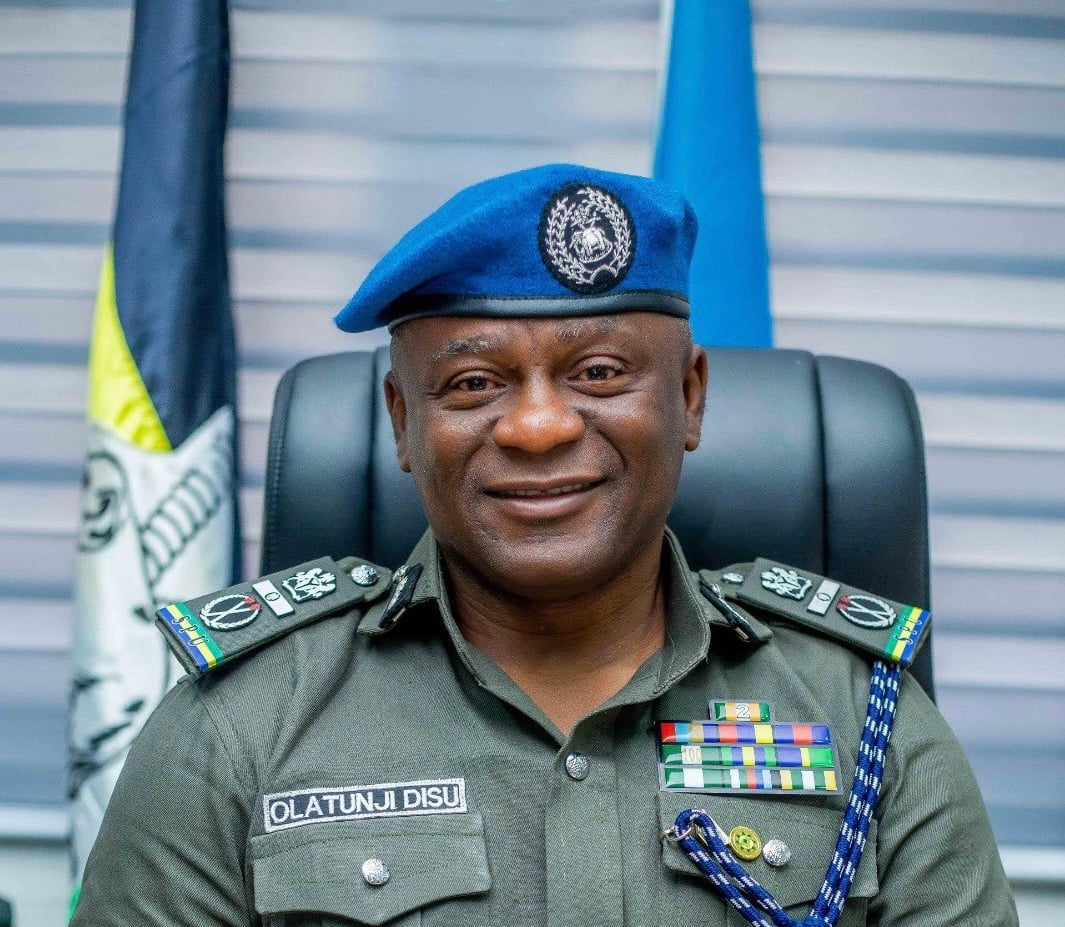
In the corridors of the Nigeria Police Force headquarters in Abuja, a new chapter has begun. Olatunji “Tunji” Disu, recently appointed Acting Inspector-General of Police (IGP), is stepping into one of the most challenging roles in the nation’s security architecture.
A seasoned career officer, known for his intelligence-led policing, discipline, and reformist outlook, Disu now faces the dual challenge of safeguarding a nation and restoring public trust in an institution often criticized for inefficiency and corruption.
From Lagos Island to the Top of the Force
Disu, during his acceptance speech while speaking with statehouse correspondents expressed deep gratitude to President Bola Tinubu for his appointment, describing it as both humbling and motivating.
“The appointment means a lot to me because of my love for the profession and for the country. I was not expecting it, and I thank the president for finding me worthy,” Disu said, recalling the president’s public recognition of his career achievements as both touching and encouraging. He noted that the acknowledgment reflects a close attention to officers serving across the country and challenges him to deliver even more.
Disu outlined his priorities for the force, emphasizing peace, stability, and national cohesion. “Citizens remain the real bosses of the police,” he said, adding that public cooperation is essential for effective policing anywhere in the world.
The acting IGP also highlighted officer welfare, promising that motivated personnel would be better positioned to perform their duties. On discipline and accountability, he declared an end to impunity, vowing strict adherence to human rights standards and a zero-tolerance approach to corruption.
He promised to addressed current security challenges, including banditry and insurgency, Disu commended officers for their dedication and pledged to strengthen coordination, morale, and operational effectiveness across the force.
Born on April 13, 1966, on Lagos Island, Tunji Disu’s journey to the pinnacle of Nigeria’s police hierarchy is a testament to diligence, resilience, and unwavering commitment. A graduate of Lagos State University with a degree in English Education, Disu didn’t just stop at academics. He pursued advanced studies, earning master’s degrees in Public Administration and Criminology, Security, and Legal Psychology — a combination that blends administrative competence with the scientific understanding of crime and human behavior.
It is this blend of theory and practice that has defined his policing style: intelligence-led, data-driven, and firmly anchored in discipline. Colleagues describe him as meticulous, approachable, and deeply committed to officer welfare — qualities that distinguish him from many of his predecessors.
A Career of High-Profile Operations
Disu’s career spans over three decades, with experience across multiple states and divisions. From serving as Divisional Police Officer in Ikare and Owo in Ondo State, to commanding the Rapid Response Squad in Lagos, he has led some of the country’s most high-stakes operations. His leadership in tracking kidnappers of a serving judge in Delta State exemplifies his skill in intelligence coordination and operational execution.
As head of the Intelligence Response Team and later as Assistant Inspector-General at FCID Lagos, Disu demonstrated his reformist streak, dismantling criminal networks, enforcing discipline, and advocating for the removal of police personnel from unauthorized VIP protection duties — a move lauded for restoring professionalism and reducing corruption opportunities.
Upon his appointment, Disu expressed deep gratitude to President Bola Tinubu, describing the appointment as both humbling and motivating.
“The citizens remain the real bosses of the police,” he said, underscoring his belief that effective policing is rooted in public cooperation.
Disu has also made clear his priorities: peace, stability, national cohesion, officer welfare, accountability, and strict adherence to human rights standards. In his vision, a well-motivated, disciplined officer is the cornerstone of effective law enforcement.
Challenges That Define the Moment
Nigeria’s security landscape is complex and evolving. Disu inherits a force grappling with persistent threats, including kidnapping, banditry, insurgency, cybercrime, and organized criminal syndicates. At the same time, he faces institutional challenges — low morale among officers, complaints about pay and working conditions, and lingering public distrust of the police.
One of his earliest tests will be electoral security. With the 2027 general elections looming, and off-cycle governorship elections already underway in states like Osun and Ekiti, the police must maintain neutrality, ensure rapid response to incidents, and protect voters without inflaming political tensions.
Internal dynamics within the force also present hurdles. Leadership transitions often bring resistance, loyalty issues, and bureaucratic friction. Disu will need to balance authority with inclusiveness, restructure teams where necessary, and implement reforms without triggering internal sabotage.
Rebuilding Public Trust
Disu’s mandate goes beyond crime fighting. Public perception of the Nigeria Police Force has long been mixed. Citizens demand transparency, accountability, and a police service that is approachable and efficient. Disu has indicated that community policing, enhanced visibility, and citizen-focused initiatives will be central to his strategy.
intelligence coordination, and inter-agency collaboration, Disu envisions a modern, proactive force where human dignity is respected, and the rule of law prevails.
Personality Behind the Uniform
Those who know Disu describe him as calm under pressure, analytical, and empathetic. He balances discipline with mentorship, ensuring that younger officers are guided, trained, and motivated. His colleagues fondly call him “Tunji,” a reflection of the respect and warmth he commands across the force.
Outside policing, he is known for his studious nature, often attending specialized courses in forensic investigations, cybercrime detection, strategic leadership, and arms-trafficking prevention both in Nigeria and abroad. This international exposure informs his approach, blending local insight with global best practices.
As IGP, Tunji Disu carries the weight of national expectations. Analysts and security experts alike expect him to:
Strengthen professionalism within the force
Drive intelligence-led policing
Improve inter-agency cooperation
Enhance officer welfare and morale
Rebuild public confidence in law enforcement.
Implement meaningful institutional reforms
Disu’s appointment comes at a pivotal moment in Nigeria’s history — one where rising insecurity, public dissatisfaction, and evolving criminal threats converge. How he navigates these challenges will define not only his legacy but also the future of the Nigeria Police Force.
The baton passed from outgoing IGP Kayode Egbetokun to Tunji Disu is more than ceremonial; it represents continuity, reform, and an opportunity to reshape policing in Nigeria. With his background, experience, and vision, Disu stands ready to transform challenges into opportunities, guiding the Force toward efficiency, accountability, and renewed public trust.
For many of us who have closed worked with you a journalists in ondo state will have no doubt that the Nigerian Police under your leadership will witness a new dawn. However it is to be noted that the job of effective crime prevention, detection and control is for all and sundry.
As Nigerians watch closely, one thing is clear: Tunji Disu is not just taking command of a police force; he is stepping into history with a mission — to make the Nigeria Police Force a disciplined, professional, and citizen-centered institution that lives up to the nation’s expectations.


