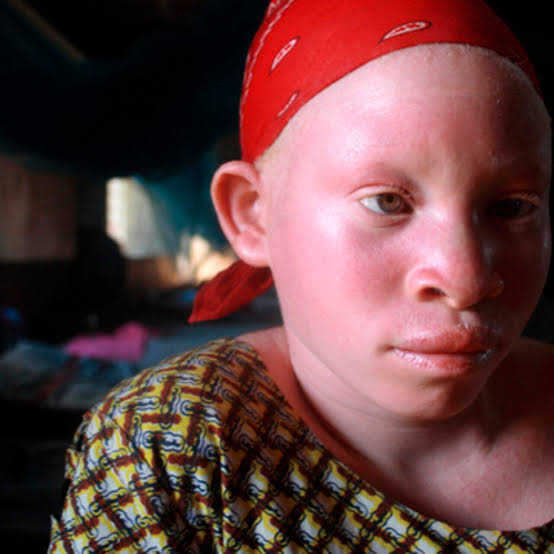
Stakeholders have stressed the urgent need for comprehensive healthcare, social inclusion, and policy reforms to support Persons with Albinism (PWAs)
To them, the reforms will take care of this community which is disproportionately affected by preventable health issues such as skin cancer, and persistent societal discrimination.
Specifically, the stakeholders including advocates, and government representatives called for inclusive health, social welfare, and legislative policies.
They made the calls as the Osun State chapter of the Albinism Association of Nigeria (AAN) marked the 2025 International Albinism Awareness Day.
The event, held at the Nigerian Medical Association (NMA) House in Osogbo, the state capital, was themed:
“Demanding Our Right: Protect Our Skin, Preserve Our Lives.”
It spotlighted the urgent need for comprehensive healthcare, social inclusion, and policy reforms to support Persons with Albinism (PWAs)—a community disproportionately affected by preventable health issues such as skin cancer, and persistent societal discrimination.
Speaking, Aghanti Sunday, Chairman of AAN Osun, highlighted the daily realities faced by PWAs and called for immediate intervention.
“In Nigeria, at least two persons with albinism die from skin cancer every month,” he revealed.
“This is not just a health issue, but a human rights issue. Protecting our skin is protecting our lives.”
He urged the Osun State Government to incorporate routine cancer screenings, dermatological services, and sun-protective gear into the Osun Health Insurance Scheme (OHIS).
He also advocated for the inclusion of anti-blue light glasses and low vision aids due to the high incidence of visual impairment in the albinism community.
Aghanti commended the Albino Foundation and Christoffel Blinden Mission for their recent donation of 80 sunshades to schoolchildren with albinism and encouraged other organizations to support similar initiatives.
The First Lady of Osun State, Chief (Mrs.) Titilola Adeleke, represented by Mrs. Oluwakemi Ojo, reaffirmed the state government’s commitment to inclusive governance.
“Under the leadership of His Excellency, Governor Ademola Jackson Nurudeen Adeleke, we are working to ensure that no citizen—regardless of physical difference—is left behind,” she said.
She pledged enhanced collaboration with relevant ministries and civil society organizations to boost public awareness, improve healthcare access, and ensure educational and workplace inclusion for PWAs.
“To all persons with albinism across Osun State: You are not invisible. You are seen, heard, and valued,” she added.
Hon. Adewumi Adeyemi Irekandu, member of the Osun State House of Assembly representing Obokun State Constituency, called for increased societal acceptance and awareness of persons with disabilities.
He acknowledged the unwavering support he received from the disability community and assured continued advocacy on their behalf.
Adding a medical and academic voice, Professor (Mrs.) Olayinka of Obafemi Awolowo University emphasized the need for accessible dermatological and visual care services.
“People with albinism suffer from both skin and vision problems. They don’t just need sunscreen; they also need glasses to help them see clearly,” she noted.
She expressed concern over the unavailability of quality sunscreen in the Southwest, stating:
“Treating skin cancer is far more expensive than providing sunscreen.”
Professor Olayinka also called on media platforms, government agencies, and private sector actors to prioritize the empowerment of PWAs through awareness campaigns, employment opportunities, and targeted public programs.
The event also brought attention to environmental health, with participants urging industries to minimize harmful chemical emissions and ensure transparency in product safety—linking environmental protection with the broader health of vulnerable populations, including PWAs.
The program concluded with a unified call to action for systemic change across healthcare, education, employment, environment, and legislation ensuring that persons with albinism are protected, empowered, and embraced as equal citizens.