

By; Akinduro Abisoye Felix
…A Compelling Case for Reserved Legislative Seats for Women in Nigeria
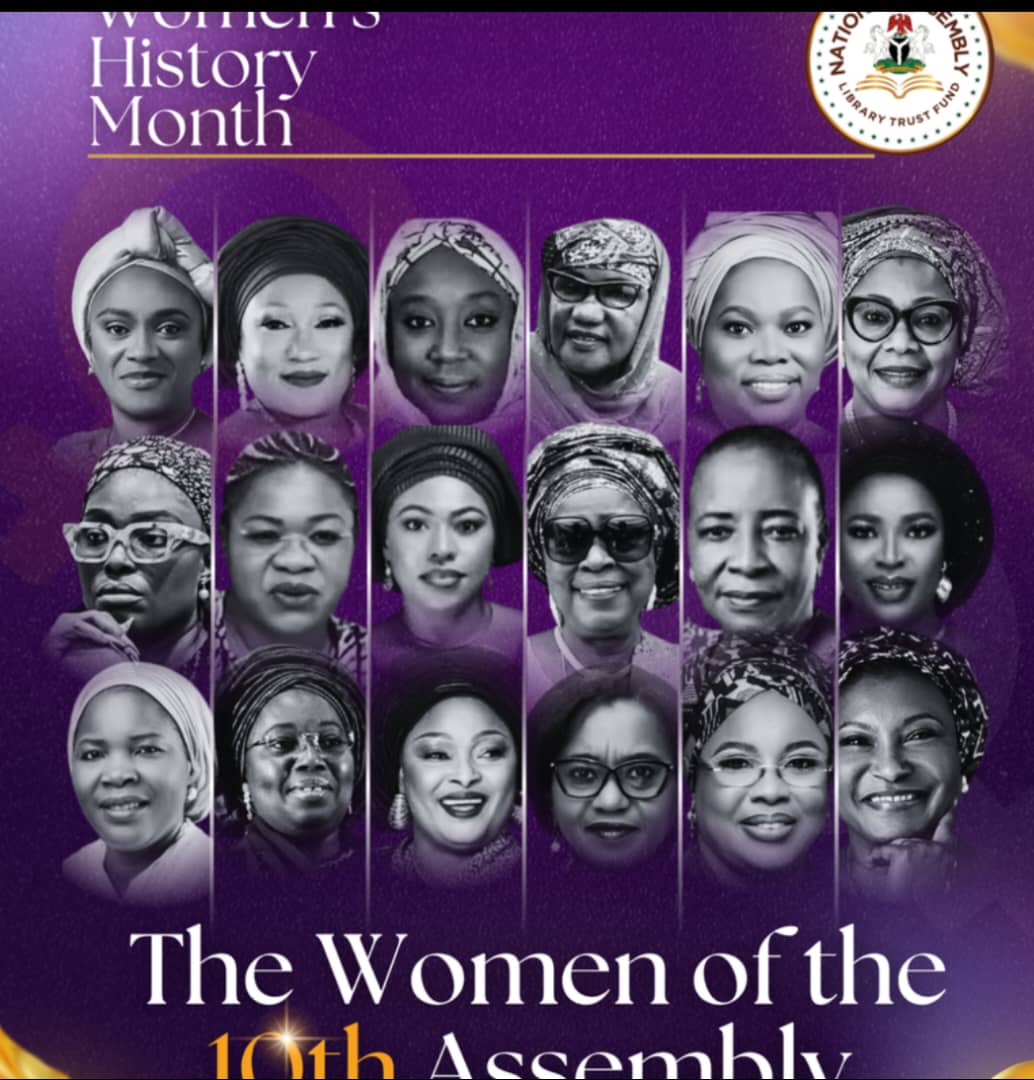
Nigeria’s democracy cannot be described as truly representative while over half of its population remains systematically underrepresented in decision-making. Women constitute more than 49% of Nigeria’s population, yet their presence in the National Assembly and State Houses of Assembly remains abysmally low. This imbalance is not a reflection of women’s capacity, competence, or interest in governance; rather, it is the product of deep-rooted structural barriers in a political system overwhelmingly dominated by money, patronage networks, and entrenched male power blocs.
It is against this backdrop that the Reserved Seats for Women Bill before the National Assembly must be urgently passed into law.
Why Reserved Seats Matter:
Reserved legislative seats are not about privilege; they are about correcting a historic and systemic injustice. For decades, Nigerian women have contested elections under conditions that are manifestly unequal- facing cultural bias, political violence, financial exclusion, and party structures designed to shut them out. Expecting women to “compete fairly” in such an uneven arena is unrealistic and disingenuous.
This bill offers a practical, constitutional mechanism to guarantee women a voice in law-making and governance. It ensures that women are not merely spectators in national affairs but active participants in shaping policies that affect families, communities, and the future of the nation.
Strengthening Democracy and Governance:
Globally, evidence shows that societies with higher female representation in parliament enjoy better governance outcomes- more inclusive policies, stronger focus on education, healthcare, social protection, and reduced tolerance for corruption. Nigeria cannot afford to ignore this reality.
Passing this bill will:
Broaden perspectives in legislative debates
Improve the quality of laws and oversight
Deepen democratic legitimacy by reflecting Nigeria’s true demographic makeup
A democracy that excludes women is not only unjust- it is weak.
Bridging the Participation Gap:
The reserved seat framework is the fastest and most effective way to bridge the glaring participation gap for women in Nigerian politics. Incremental reforms, goodwill appeals, and party promises have repeatedly failed. The numbers tell the story clearly: without deliberate constitutional intervention, women will continue to be sidelined.
For Nigerian women, this bill represents more than seats in parliament- it represents belonging. It affirms that women are stakeholders in nation-building, not auxiliaries or afterthoughts in a political game skewed heavily in favour of powerful men.
A Matter of Urgency and National Interest;
Nigeria is signatory to multiple international and regional commitments on gender equality and inclusive governance. Failing to pass this bill undermines those commitments and keeps the country out of step with progressive democracies across Africa and the world.
This moment demands courage from the National Assembly. Passing the Reserved Seats for Women Bill is not a concession to women; it is an investment in Nigeria’s stability, fairness, and future.
Conclusion
For Nigerian women, this bill is not optional- it is essential. It is the most viable pathway to dismantling decades of political exclusion and ensuring that women finally take their rightful place at the table where national decisions are made.
The National Assembly must act decisively and without delay. A more inclusive, balanced, and prosperous Nigeria depends on it.


