

- Six health workers infected in one week
- Bauchi, Benue, Edo, Ondo among states with new cases -NCDC
The Nigeria Centre for Disease Control and Prevention (NCDC) has raised fresh alarm over Lassa fever, confirming that 109 people have died in 2026, with the case fatality rate rising to 13.9 per cent.
The agency disclosed that six healthcare workers were infected within just one week, highlighting the growing risk to frontline medical personnel.
Cumulatively, 37 healthcare workers have contracted the disease so far this year.
According to the NCDC’s Lassa Fever Situation Report for Epidemiological Week 9, covering February 23 to March 1, Nigeria recorded 65 confirmed cases during the week under review, a slight decline from 77 cases reported the previous week.
Confirmed infections were reported in Bauchi, Benue, Taraba, Edo, Ondo, Plateau, and Nasarawa States.
The report also noted 460 suspected cases during the week, with nine deaths among confirmed cases.
So far in 2026, Nigeria has recorded 2,446 suspected cases and 469 confirmed cases, with 109 fatalities.
The overall case fatality rate now stands at 23.2 per cent, higher than the 18.7 per cent recorded during the same period in 2025.
Eighteen states and 69 local government areas have recorded at least one confirmed case this year.
The NCDC attributed the rising fatalities partly to late presentation of cases at health facilities, poor health-seeking behaviour and inadequate awareness in some high-burden communities.
Lassa fever is an acute viral haemorrhagic illness caused by the Lassa virus, first identified in 1969 in Lassa, Borno State.
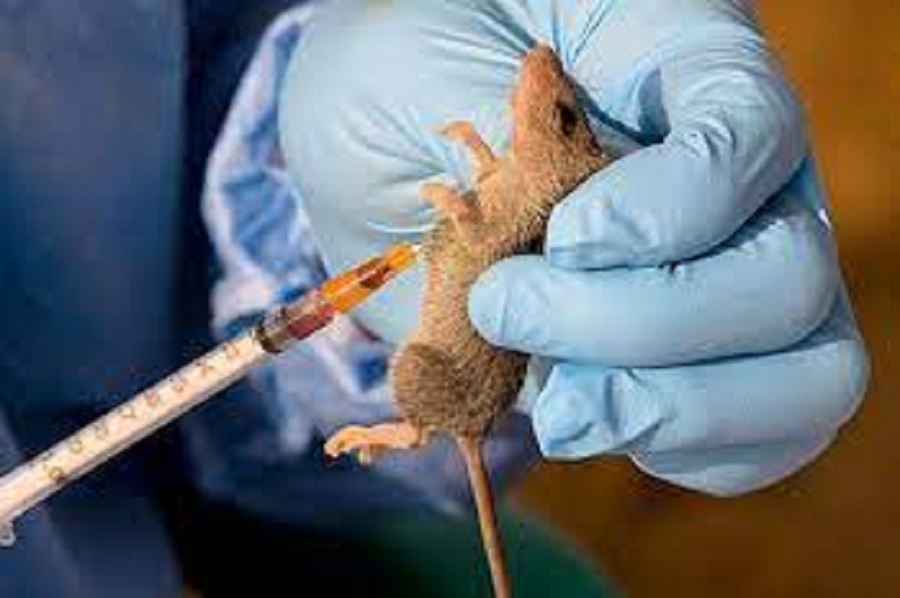
The disease is endemic in Nigeria and several parts of West Africa. It is primarily transmitted to humans through contact with food or household items contaminated by the urine or faeces of infected multimammate rats.
Human-to-human transmission can also occur, particularly in healthcare settings where infection prevention and control measures are inadequate.
Health authorities warn that while many infections are mild or asymptomatic, about 20 per cent of cases can develop severe illness, with symptoms including fever, headache, vomiting, bleeding and organ failure.
To strengthen response, the NCDC said it has activated a multi-partner Incident Management System to coordinate efforts across the country.
Response activities include active case searches, contact tracing, distribution of personal protective equipment to health facilities and deployment of rapid response teams to affected states.
Healthcare workers are urged to maintain a high index of suspicion for Lassa fever and adhere strictly to infection prevention and control measures to reduce hospital-based transmission.
NAN


