- ...Beyond Religion: Understanding the True Meaning of the Halal Economy
By Steve Otaloro
The mention of the Halal economy often triggers an immediate religious interpretation among many Nigerians. Yet, this perception obscures one of the most promising economic opportunities of the 21st century.
The Halal economy is fundamentally a global commercial ecosystem anchored on ethical production, strict quality control, hygienic processing standards, transparent supply chains, and non-exploitative financial models. It spans diverse industries including food production, pharmaceuticals, cosmetics, logistics, fashion, tourism, banking, manufacturing, and international trade.
Today, the global Halal market commands a staggering valuation exceeding $7 trillion, making it one of the fastest-growing economic sectors worldwide. It is not a religious imposition; it is a structured global trade standard embraced by nations seeking competitive economic advantages.
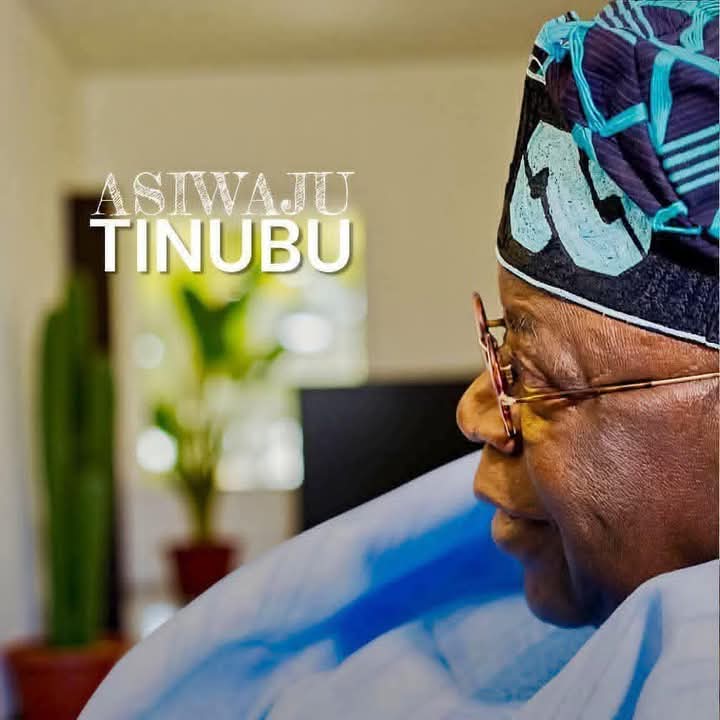
Tinubu’s Economic Foresight: A Strategic Intervention for Nigeria’s Future;
President Bola Ahmed Tinubu’s introduction of Nigeria’s National Halal Economy Strategy represents a bold and forward-thinking economic recalibration. It demonstrates strategic leadership grounded in the recognition that Nigeria must urgently diversify beyond oil dependency.
Nigeria possesses unparalleled economic fundamentals that position it as a natural leader in the Halal market. These include Africa’s largest population, vast agricultural resources, strategic maritime access, a vibrant manufacturing base, and a massive consumer market cutting across religious lines.
By institutionalizing the Halal economy framework, the administration seeks to standardize Nigerian exports, unlock access to lucrative Middle Eastern and Asian markets, attract ethical international investments, and stimulate local industrialization. The initiative is projected to inject billions of dollars into Nigeria’s GDP while simultaneously creating employment opportunities and strengthening small and medium-scale enterprises.
This policy is not merely economic experimentation; it is a deliberate blueprint designed to reposition Nigeria within global value chains.
Halal Economy Is Not Religious Governance- It Is Economic Inclusivity;
One of the most critical misconceptions surrounding the Halal economy is the assumption that it promotes religious dominance. In reality, participation is voluntary, market-driven, and commercially motivated.
Halal certification operates similarly to global standards such as ISO certification or organic product labeling. It assures safety, ethical sourcing, and quality assurance- benefits that serve consumers regardless of faith.
Farmers gain access to premium export markets. Manufacturers receive global credibility. Entrepreneurs enjoy expanded investment opportunities. Consumers receive safer and higher-quality products. Christians, Muslims, and adherents of other faiths stand to benefit equally from the economic ripple effects of this structured marketplace.
Global Evidence: Non-Muslim Nations Leading the Halal Revolution;
The strongest proof that the Halal economy is purely commercial lies in the countries dominating the sector. Nations such as Brazil, Australia, Thailand, Japan, South Korea, and the United Kingdom have aggressively integrated Halal certification into their export frameworks despite having no religious affiliation with the concept.
Brazil, for instance, is one of the world’s largest exporters of Halal-certified meat products. Thailand has transformed itself into a global Halal food processing hub. Japan and South Korea have successfully incorporated Halal tourism and hospitality services to attract international visitors and investors.
These countries demonstrate a clear economic reality: Halal is not theology- it is trade strategy.
Key Nigerian Industries Positioned to Benefit the Most;
Nigeria’s economic architecture makes several sectors exceptionally suited to thrive under the Halal economy framework:
Agriculture and Agro-Processing: Nigeria’s expansive farmlands and livestock potential position it as a major exporter of Halal-certified food products.
Pharmaceuticals and Cosmetics: The demand for ethically sourced and hygienically produced health and beauty products continues to rise globally.
Tourism and Hospitality: Halal-compliant tourism services can attract high-spending international travelers and boost Nigeria’s service sector.
Financial Services: Ethical finance models provide alternative funding mechanisms that reduce excessive interest burdens and improve financial inclusion.
Manufacturing and Export Logistics: Structured certification enhances Nigeria’s credibility in global supply chains, increasing foreign demand for locally produced goods.
Political Controversy and Public Anxiety: Understanding the Debate;
Like many transformative policies, the Halal economy initiative has sparked political debate. Some critics express concerns about religious sensitivities in Nigeria’s diverse society. Others fear potential regulatory imbalances or certification costs for smaller businesses.
However, these debates largely stem from misinformation rather than policy realities. The framework neither mandates religious compliance nor imposes restrictions on non-participating businesses. Instead, it offers an additional economic pathway for industries seeking global market expansion.
Misconceptions Versus Economic Reality;
Misconception: The Halal economy is an attempt to Islamize Nigeria.
Reality: It is an international trade certification system focused on ethical production and market access.
Misconception: Non-Muslims will be compelled to follow Halal standards.
Reality: Participation is entirely voluntary and commercially driven.
Misconception: The policy benefits only a specific religious group.
Reality: The economic dividends- job creation, industrial growth, and export expansion- benefit the entire nation.
A Vision for Nigeria’s Economic Renaissance;
President Tinubu’s Halal economy strategy represents more than policy innovation; it symbolizes strategic economic intelligence. It reflects a pragmatic understanding that Nigeria must transition from a consumption-driven economy to a production and export powerhouse.
Nations that dominate the future global economy will be those that recognize emerging market systems and position themselves early. By introducing the Halal economy framework, President Bola Tinubu is attempting to secure Nigeria’s relevance in a rapidly evolving global marketplace.
Nigeria stands at a crossroads between fear-driven resistance and opportunity-driven progress. The Halal economy offers a pathway toward industrial growth, economic diversification, and national prosperity.
This is not about religion.
This is about revenue, global competitiveness, and economic transformation.
This is about Nigeria claiming its rightful place in the global economic hierarchy.