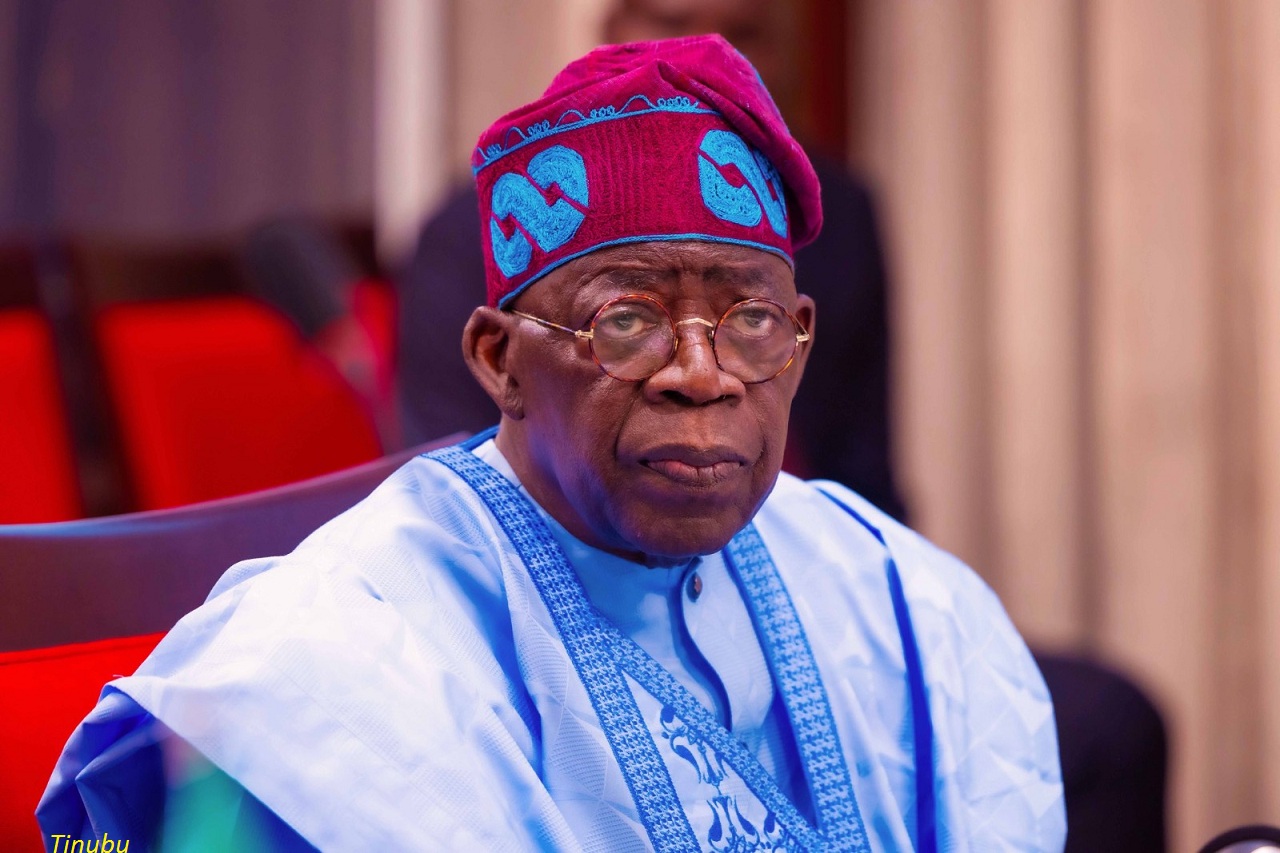
By; Steve Otaloro
President Bola Ahmed Tinubu’s economic reform agenda is increasingly positioning Nigeria on a transformative growth trajectory, with growing international acknowledgement of the bold steps taken to stabilize and reposition Africa’s largest economy. Recent commendation from the World Bank, which described Nigeria as a global reference point for credible and consistent economic reform leadership, underscores the significance of the administration’s policy direction and the promising outlook for the country’s economic future.
During a high-level meeting in Abuja, the World Bank Managing Director of Operations, Anna Bjerde, applauded President Tinubu’s administration for demonstrating courage, discipline, and consistency in the implementation of critical reforms over the past two years. According to her, Nigeria’s reform outcomes have become frequent examples cited in discussions among global leaders, investors, and policymakers as a model of determined economic restructuring despite initial challenges.
Central to these reforms is the comprehensive restructuring of Nigeria’s oil and gas sector, aimed at enhancing transparency, efficiency, and revenue generation. The administration has also taken decisive steps to unify the foreign exchange market, a policy widely regarded as essential in eliminating distortions, improving investor confidence, and ensuring market-driven currency valuation. These measures have strengthened Nigeria’s macroeconomic stability and improved its attractiveness as a destination for both local and foreign investment.
In addition, President Tinubu’s deliberate infrastructural renewal programme continues to play a vital role in stimulating economic productivity. Strategic investments in road construction, transportation networks, energy infrastructure, and urban renewal initiatives are designed to reduce logistical bottlenecks, facilitate trade, and create employment opportunities. These infrastructure projects are critical components of the administration’s long-term vision to modernize Nigeria’s economic framework and support industrial expansion.
The government’s recent tax reforms also represent a major pillar of its fiscal restructuring strategy. By expanding the revenue base, improving tax collection efficiency, and simplifying compliance processes, the reforms are expected to enhance government earnings while promoting a more business-friendly environment. These fiscal measures are crucial in reducing overreliance on oil revenues and strengthening economic diversification.
While acknowledging that some of the reforms initially brought temporary economic discomfort, President Tinubu has consistently maintained that they are necessary sacrifices to secure long-term economic stability and prosperity. The administration has also highlighted improvements in inflation management and overall economic stabilization, reinforcing investor confidence and strengthening financial sector resilience.
The World Bank has further pledged strong support for Nigeria’s ambitious economic targets, including the country’s aspiration to attain a one-trillion-dollar economy and sustain a seven percent GDP growth rate. The proposed reform-linked budget support programme and expanded risk guarantees from the institution are expected to provide critical financial backing to accelerate Nigeria’s economic transformation.
President Tinubu has reaffirmed his administration’s unwavering commitment to sustaining the reform agenda, emphasizing that Nigeria remains firmly committed to irreversible economic restructuring. His assurance that the nation has “its hands on the plough” reflects a leadership determination to pursue long-term prosperity despite short-term challenges.
As Nigeria continues to consolidate the gains of these reforms, the growing international recognition signals renewed confidence in the country’s economic direction. With sustained policy consistency, strategic infrastructure development, and strengthened fiscal management, Nigeria appears increasingly positioned to achieve its ambitious economic aspirations.
May the leadership continue to deliver transformative results for national growth and development. May Nigeria continue to progress toward sustainable prosperity.