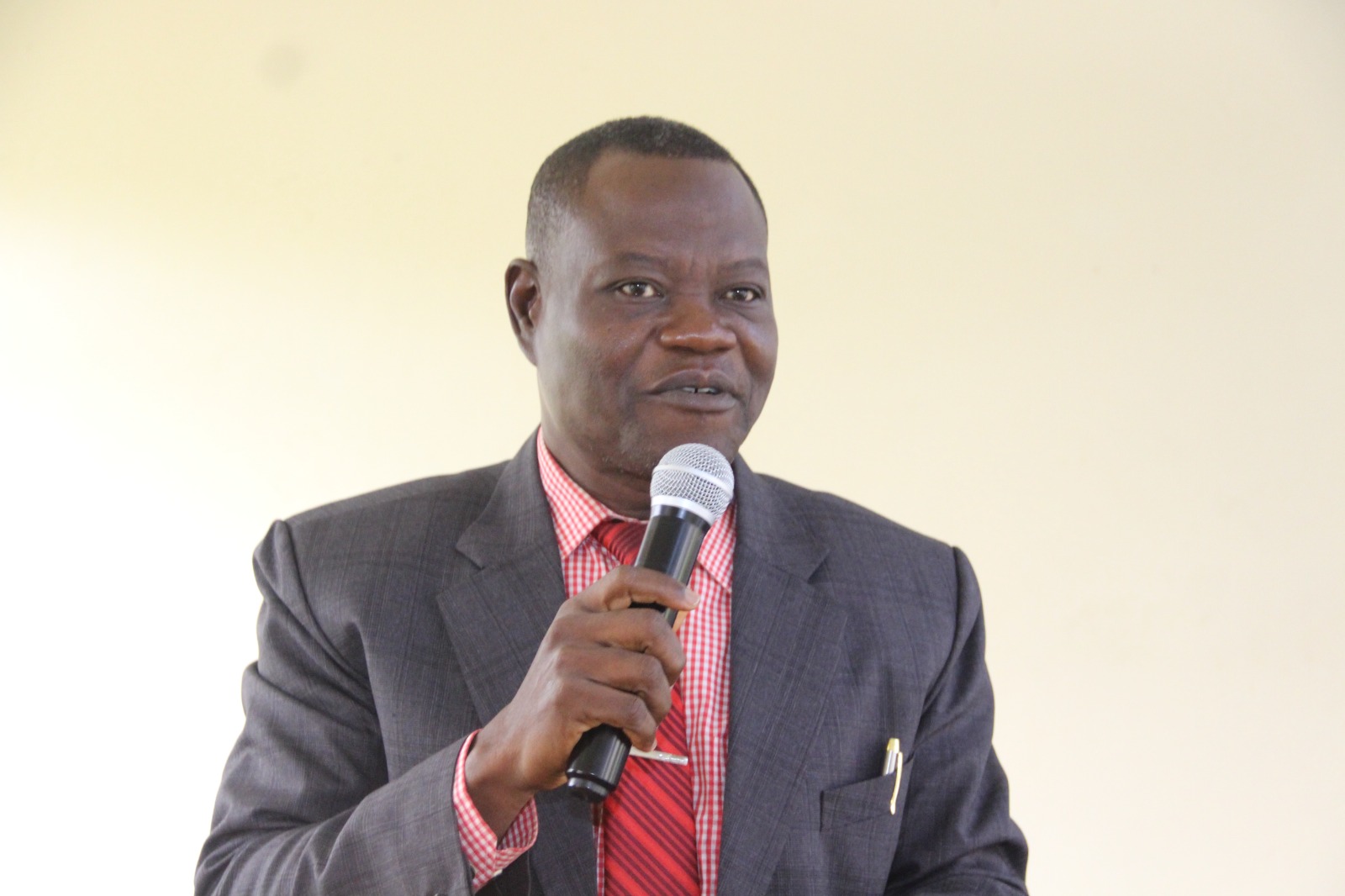
The Vice-Chancellor of Elizade University, Ilara Mokin, Ondo State, Prof Philip Oguntunde, has canvassed international collaboration as the best way of addressing humanity’s most pressing challenges.
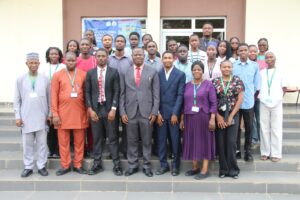
He spoke while declaring open a three-day intensive training, organized by the African Computational Neuroscience Educational Initiative (ACNEI) in partnership with the institution, and hosted by it.
The regional training programme on Computational Neuroscience, brought together emerging scholars and researchers in one of the world’s fastest-growing interdisciplinary fields.
It provided participants with rare opportunities to acquire advanced skills in brain science, neural modelling, data analysis, and collaborative research..
Prof Oguntunde noted that many of the world’s seemingly intractable problems can only be solved through cross-border partnerships among researchers, scientists, and innovators.
His words, “Knowledge has no geographical boundaries. Ideas, innovations, creativity and discoveries are not confined by race, nationality, or demography. There is no box of knowledge anywhere. The solutions to global challenges lie in collaborations that transcend borders.”
He said that universities must continue to create platforms that encourage intellectual exchange, innovation, and the sharing of knowledge across disciplines and continents.
Also, he commended the organisers, Tolulope Gbayisemore and Afeez Oladokun, for their commitment, teamwork, and exceptional attention to detail in driving the initiative.
He described their efforts as a shining example of how young African scholars can leverage international exposure and research experience to build local capacity and inspire the next generation of scientists.
The Vice Chancellor said the initiative also reflects the University’s broader vision of nurturing globally competitive scholars equipped to contribute solutions to contemporary challenges through cutting-edge research and interdisciplinary engagement.
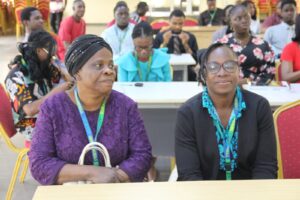
In her remarks, the Acting Dean of the Faculty of Allied Health Sciences, Dr. Alice Oguntunde, expressed delight at the initiative, describing it as a strategic intervention capable of strengthening scientific research and innovation on the continent.
She particularly praised the young researchers for bringing home knowledge acquired through international engagements and making it accessible to fellow scholars in Nigeria.
“It is encouraging to see young academics returning to share their expertise with colleagues at home. This kind of knowledge transfer is essential for building sustainable research capacity and advancing scientific excellence in Africa,” she stated.
The training featured an intensive curriculum designed to equip participants with practical and theoretical foundations in computational neuroscience.
Sessions included Neural Modelling with Python, where participants received guided instruction on programming and neuron simulation; Brain Dynamics and Spikes, which explored firing patterns and the practical use of spiking neurons; and Computational Neuroscience Basics, focusing on neurons as computational units, neural networks, and modern analytical approaches.
Participants also engaged in Collaborative Research Projects, working in teams on guided studies with the potential for further development beyond the programme.
The final day of the training culminated in an advanced hybrid session involving twenty carefully selected participants who underwent rigorous hands-on practical exercises designed to deepen their technical competencies and research capabilities.
The Dean, Faculty of Basic and Applied Sciences, Professor Omotola Dada described the programme as a significant milestone for neuroscience education in Africa, particularly at a time when artificial intelligence, machine learning, cognitive science, and brain-inspired computing are increasingly shaping the future of medicine, technology, and human development.
She said hosting the regional hub training further strengthens Elizade University’s reputation as a rapidly emerging centre of excellence for innovation, research, and international academic collaboration.
For participants, the programme was more than a training exercise, it was an opportunity to join a growing network of African scientists determined to place the continent at the forefront of global scientific discovery.
As computational neuroscience continues to revolutionize understanding of the human brain and inspire next-generation technologies, Tolulope Gbayisemore, said Elizade University’s role in fostering such transformative conversations has positioned the institution among the universities shaping the future of scientific advancement in Africa.