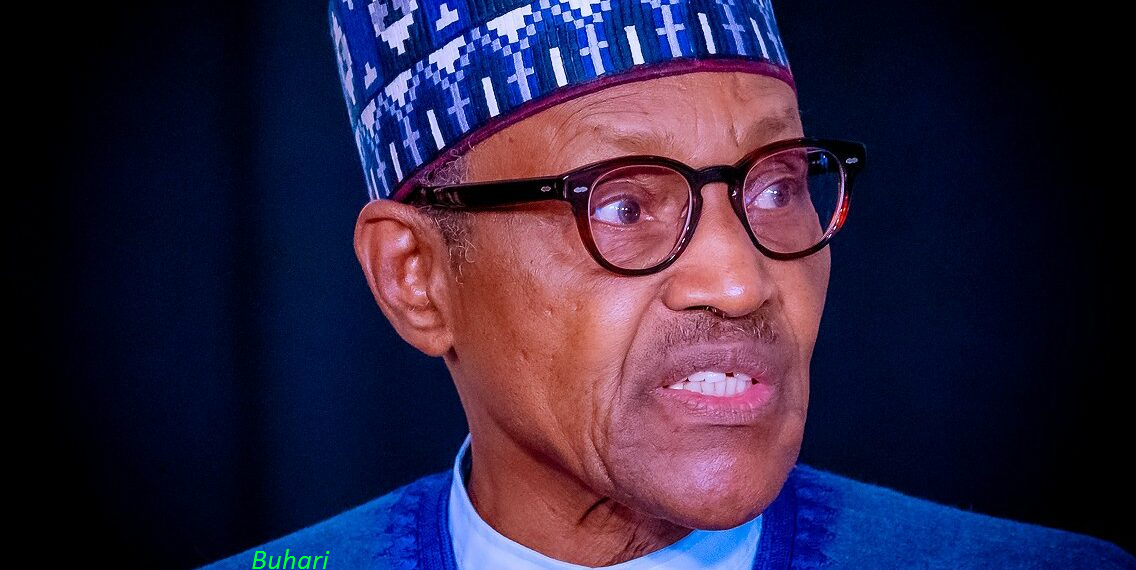
Former First Lady, Mrs Aisha Buhari, has opened up on a troubling period during the presidency of her departed husband, Muhammadu Buhari, revealing that rumours within the Presidential Villa once led him to believe she was plotting to kill him.
She made the disclosure in a newly released biography titled From Soldier to Statesman: The Legacy of Muhammadu Buhari, authored by Dr Charles Omole and launched at the State House, Abuja, on Monday.
According to the book, the rumours described as toxic gossip circulating within Aso Rock created fear and mistrust that disrupted Buhari’s personal routines and directly contributed to the health crisis that kept him away from office for a total of 154 days in 2017.
The 600-page, 22-chapter biography traces Buhari’s journey from his childhood in Daura, Katsina State, through his military and political career, and up to his final days in a London hospital in July 2025.
Mrs Buhari strongly dismissed long-standing public speculation that her husband’s illness was caused by poisoning or a mysterious ailment. Instead, she attributed the health crisis to a breakdown in his carefully managed nutrition and feeding routine.
She explained that before Buhari became President, she personally supervised his meals and supplements, a system she said was critical to maintaining the health of a “slender man with a long history of malnutrition symptoms.”
“He doesn’t have a chronic illness. Keep him on schedule,” Mrs Buhari was quoted as saying, stressing that elderly bodies require consistency and careful nutritional management.
According to the biography, she had established a strict routine involving timed meals, vitamin powders, oils, cereals and protein supplements, which she said kept Buhari stable and energetic.
However, the routine reportedly collapsed after they moved into the Presidential Villa.
“When the machinery of the Presidency took over our private lives, I explained the plan to everyone,” Mrs Buhari said, noting that she held meetings with key aides, including the President’s physician, Dr Suhayb Rafindadi; the Chief Security Officer, Bashir Abubakar; the housekeeper; and the Director-General of the Department of State Services (DSS).
Despite this, she said misinformation and fear-mongering soon took over.
“Then came the gossip and the fearmongering. They said I wanted to kill him,” she recalled.
According to her account, Buhari believed the rumours for about a week, during which he began locking his room, altered his daily habits, and distanced himself from her. Crucially, his meals and supplements were either delayed or stopped entirely.
“For a year, he did not have lunch. They mismanaged his meals,” Mrs Buhari said.
The deterioration in his health eventually led to two extended medical trips to the United Kingdom in 2017, during which he transferred presidential authority to then Vice President Yemi Osinbajo.
Upon his return, Buhari publicly admitted that he had never been so ill in his life and revealed that he had received blood transfusions during treatment.
The prolonged absences fuelled widespread speculation, conspiracy theories, and political tension across the country, including claims that Buhari had died and been replaced by a body double popularly referred to as “Jibril of Sudan.”
Mrs Buhari dismissed such claims as “absurd,” blaming poor strategic communication by the government for allowing simple issues to spiral into national paranoia.
In London, doctors reportedly prescribed an even more rigorous nutritional and supplement regimen. Initially frightened, Buhari was reluctant to take the supplements, but Mrs Buhari said she quietly took control, mixing hospital-issued supplements into his juice and meals.
“The recovery was swift,” she said.
“After just three days, he threw away the walking stick. After a week, he was receiving visitors.”
She described this intervention as both the beginning and the reversal of his illness.
The biography also sheds light on an atmosphere of mistrust within the Presidency, with Mrs Buhari alleging that the President’s office was bugged and private conversations replayed, contributing to anxiety and stress that worsened his condition.
Dr Omole noted that while critics saw Buhari’s reliance on foreign medical care as a failure of Nigeria’s health system, a more compassionate view recognised the limitations caused by decades of underinvestment in healthcare and the specialised needs of an ageing leader.
He also highlighted Buhari’s consistent decision to formally hand over power during medical absences as evidence of his respect for institutional order and constitutional propriety.
News Point